
Why does semi-coke crackle when used?
Semi-coke is categorized into: small pieces (1-3cm), medium pieces (2-5cm), and large pieces (3-8cm)
Small and medium-sized materials are commonly used in industrial production. Based on the design of the bar gaps in civilian heating stoves, civilian heating coal is mostly used in sizes ranging from 3 to 8 cm.
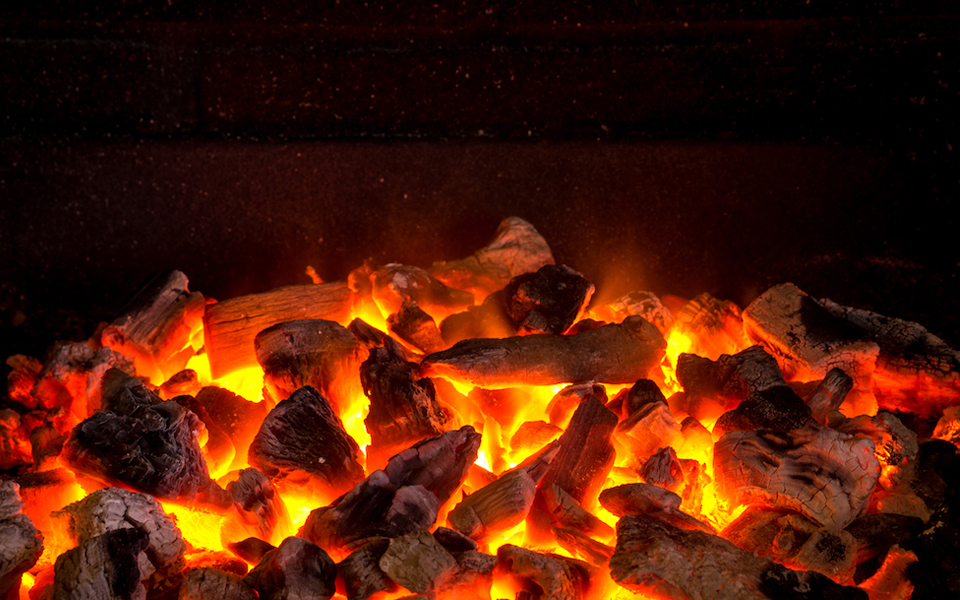
1. Why does semi-coke produce a crackling sound during combustion?
It is normal for semi-coke to crackle and pop during combustion. In the processing of semi-coke, high-temperature gas and coal tar are extracted, and then cooled with cold water. When high-temperature semi-coke encounters cold water, it easily traps some water vapor in the interstices of the semi-coke. When the semi-coke is added to a furnace and exposed to high temperatures, the preheated and expanded water vapor causes the coal layer on the surface of the semi-coke to crack, producing a popping sound.
2. Does semi-coke produce any peculiar smell during combustion?
During the combustion process, semi-coke emits a pungent odor due to the use of ammonia water for cooling. In accordance with Zibo market regulations and for the convenience of civilian heating coal combustion, semi-coke with an odor should not be purchased.
3. Does semi-coke produce a large amount of ash and slag during combustion?
If the raw coal used to produce semi-coke is of mixed quality and contains inferior coal, the refined semi-coke is prone to high ash content and slagging during combustion. Our company has stringent requirements for raw coal when purchasing semi-coke. We exercise strict control at the production source of our customers to ensure the quality of the semi-coke.
4. . What are the flame height and calorific value of semi-coke?
Due to its volatile matter content ranging from 3 to 8%, the flame height of semi-coke during combustion is lower than that of bituminous coal. However, with a calorific value of 5800-6300 kcal/kg, the heat released during combustion is much higher than that of bituminous coal, accompanied by a blue flame with high purity and no impurities.